Twelve languages – like the twelve gates of the Holy City

“And had a wall great and high, and had twelve gates.” – Revelation 21:12

Genesis 10 · 8 days · Kayseri – Adana

The Table of Nations – Hittites, Arameans and the Language of Canaan

“And hath made of one blood all nations of men for to dwell on all the face of the earth.”Acts 17:26
Table of Nations & Hittites
8 days7 nights
KayseriStart
AdanaEnd
Price on requestPrice

For many Bible readers, the Table of Nations in Genesis 10 is a list of unfamiliar names. In Anatolia these names take on faces: Tubal and Meshech appear in Assyrian texts as Tabal and Mushki, the “children of Heth” recall the Hittites, and Aram the Arameans, whose language later became the common language of the ancient Near East.

The tour begins in Kayseri with the purchase deeds of Kültepe and leads to Hattusa, Yazılıkaya and Alacahöyük in the Hittite heartland. In the Çorum Museum you encounter Hittite law, which anticipates the form of some of the provisions of the Book of the Covenant. Via Amasya and Sivas you travel on to Gürün and Arslantepe in the highlands of the upper Euphrates, where scholars look for Togarmah and Late Hittite Melid.

In the south follow the Aramean royal city of Sam'al near Zincirli, the sculptors' workshop of Yesemek and Karatepe with its Phoenician-Luwian inscription. The tour concludes with the late antique Ark mosaic of Misis at the gates of Adana. Each day has its guiding text; a state-licensed tour guide carefully places the finds and the biblical texts in context. Christians of all denominations are welcome.

The Bible reading path

Passages you will read on site

Genesis 10:1–5Kayseri (welcome evening)

The sons of Japheth – Tubal and Meshech, known from Assyrian texts in the Kayseri region and further west.

Genesis 23:1–20Kültepe

Abraham buys Ephron's field before witnesses, with weighed silver.

Jer 32:9–15Kültepe

Jeremiah's sealed deed of purchase – hope in the form of a legal document.

Josh 24:14–27Hattusa

The covenant at Shechem: election, witnesses, stone and book.

2 Kgs 7:6Alacahöyük

The “kings of the Hittites” in the days of Elisha – the Late Hittite states of Syria and Anatolia.

2 Sam 11; Matt 1:6Çorum (devotion)

Uriah the Hittite in David's army – and his name in the genealogy of Jesus.

Exodus 21–23Çorum Museum

The Book of the Covenant alongside the Hittite laws: similar form, God's own law.

Deuteronomy 30:15–20Sivas (devotion)

Blessing and curse, heaven and earth as witnesses – and the call to choose life.

Genesis 10:3; Ezek 27:14Gürün

Togarmah, the son of Gomer, and the land of horses that traded with Tyre.

Psalm 90:1–2Tohma Canyon

Before the mountains were brought forth: God's eternity before ancient rock walls.

Deuteronomy 26:5–9Zincirli

The confession at the offering of the firstfruits – the patriarch from Aram.

2 Kgs 18:26Yesemek

Hezekiah's officials ask to be spoken to “in the Syrian language”, that is, in Aramaic – the diplomatic language of the time.

Isa 19:18Karatepe

The “language of Canaan” – read before an inscription in the sister script of ancient Hebrew.

Matt 24:37–39Misis

As the days of Noe were – Jesus' words before the Ark mosaic.

Tip: bring your own Bible – at each place we open the relevant passage together.
Bible quotations: King James Version.

Day by day

Itinerary

Day1

Arrival in Kayseri – at the foot of Erciyes

Kayseri Airport → Kayseri

Your tour guide meets you at Kayseri Airport and brings you to the city centre in a few minutes. Kayseri was ancient Mazaka, later Caesarea, the capital of Cappadocia; above it stands the snow-capped Erciyes at 3,917 metres. After a short walk to the Seljuk citadel you gather for the welcome. Your guide presents the route and the guiding texts, and you read the beginning of the Table of Nations: the sons of Japheth. Two of their names, Tubal and Meshech, reappear in Assyrian inscriptions as Tabal and Mushki – and Tabal lay in this very region. So already on the first evening it becomes clear that the names of Genesis 10 belong on a real map.

Genesis 10:1–5Overnight: Kayseri
Day2

Kültepe-Kanesh – deeds of purchase, seals and silver

Kayseri → Kültepe → Boğazkale

In the Kayseri Museum you first see what made Kültepe famous: clay tablets still enclosed in their sealed envelopes. Then you stand on the mound of Kanesh itself. Below the princes' palace lay the kārum, the quarter of the Assyrian merchants who in the 20th and 19th centuries BC traded tin and textiles for silver. More than 23,000 tablets with letters and contracts were found here; they also contain the oldest known words of the Hittite language. Against this background you read how Abraham bought Ephron's field, before witnesses and with silver “current money with the merchant”, and you read Jeremiah's deed of purchase. In the afternoon you continue to Boğazkale.

Genesis 23:1–20Jer 32:9–15Overnight: Boğazkale
Day3

Hattusa – treaties, gods and a covenant

Boğazkale → Hattusa → Yazılıkaya → Alacahöyük → Çorum

Early in the morning you enter Hattusa, the capital of the Hittite great kings. From the Great Temple you climb to the Upper City with the Lion Gate, the King's Gate and the tunnel beneath the Sphinx rampart. From the archives of this city come state treaties that follow a fixed pattern: the great king introduces himself, recounts his benefactions, sets out the obligations, calls on witnesses and closes with blessings and curses. Before these walls you read the covenant at Shechem from Joshua 24 – and hear Joshua's answer. In the rock sanctuary of Yazılıkaya the gods pass by in stone. At Alacahöyük, by the Sphinx Gate, follows the passage about the “kings of the Hittites”, and in the evening in Çorum the story of Uriah.

Josh 24:14–272 Kgs 7:62 Sam 11Matt 1:6Overnight: Çorum
Day4

Law and blessing – from the Çorum Museum to Sivas

Çorum → Amasya → Tokat → Sivas

The Çorum Museum holds finds from Alacahöyük and from the Hittite city of Şapinuwa, cuneiform tablets and the painted cult vases of Hüseyindede. Here you talk about the Hittite laws, some two hundred legal provisions that usually begin with “If a man …” – the same form as many provisions in the Book of the Covenant in Exodus 21–23. Yet biblical law is formulated as the word of the God who freed his people from Egypt. At midday you reach Amasya with the rock-cut tombs of the kings of Pontus. Through the highlands via Tokat you continue to Sivas. In the evening you read how Moses calls heaven and earth as witnesses and urges the people to choose life.

Exodus 21–23Acts 2:9Deuteronomy 28:1–14Deuteronomy 30:15–20Overnight: Sivas
Day5

Togarmah and Melid – in the highlands of the upper Euphrates

Sivas → Gürün → Darende → Arslantepe → Malatya

Via Kangal you reach Gürün in the Tohma valley. Here many scholars locate Tegarama, which Hittite texts name as a city on the road to the east; the Assyrians knew the place as Til-Garimmu. The name is often linked with Togarmah, the son of Gomer in the Table of Nations, whose land according to Ezekiel supplied horses and mules to Tyre – an attractive but unproven identification. In Darende you walk a stretch through the Tohma gorge and read Psalm 90. In the afternoon you stand at Arslantepe, ancient Melid, a World Heritage Site since 2021: palace buildings from the 4th millennium BC and the city gate of a Late Hittite kingdom that Assyria subjugated in 712 BC.

Genesis 10:3Ezek 27:14Ezek 38:6Psalm 90:1–2Isa 10:9Overnight: Malatya
Day6

Sam'al – where the Arameans wrote

Malatya → Kahramanmaraş → Zincirli → Yesemek → Gaziantep

A long day on the road takes you south from Malatya, through valleys that were severely hit by the earthquake of February 2023. In the museum of Kahramanmaraş, ancient Marqas, you encounter the funerary stelae of the rulers of Gurgum. Then you reach Zincirli, Aramean Sam'al. Its kings left inscriptions in early Aramaic, the language later spoken by the diplomats of the ancient Near East – Hezekiah's officials, too, asked the Assyrian to speak to them “in the Syrian language”. The funerary stele of Kuttamuwa speaks of his soul in the stone. At Yesemek lie more than 300 half-finished lions and sphinxes. In the evening you read the confession of Deuteronomy 26, which links the patriarch with Aram.

2 Kgs 18:26Deuteronomy 26:5–9Overnight: Gaziantep
Day7

Karatepe – the sister script of the language of Canaan

Gaziantep → Karatepe → Castabala → Misis → Adana

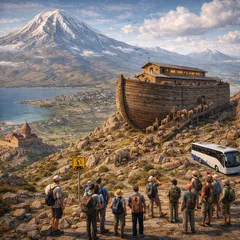
Via Osmaniye and Kadirli you reach Karatepe above the Ceyhan reservoir. At the gate of the castle, around 700 BC, Prince Azatiwada had his deeds recorded twice, in Phoenician and in Luwian hieroglyphs. When Halet Çambel and Helmuth Bossert found the inscription in 1946/47, the hieroglyphic script became readable. The Phoenician letters are siblings of the ancient Hebrew ones – Isaiah speaks of the “language of Canaan”. You read Psalm 19 and the account of Pentecost. Then follow the colonnaded street and the rock castle of Hierapolis-Castabala. In Misis, ancient Mopsuestia, you see the Ark mosaic and hear Jesus' words about the days of Noah before you reach Adana.

Isa 19:18Psalm 19:1–4Acts 2:6–11Matt 24:37–39Overnight: Adana
Day8

Journey home from Adana

Adana → Çukurova Airport

On the last morning a short walk takes you across the Taşköprü, the Roman stone bridge over the Seyhan, which even carried cars until 2007. At the closing devotion you receive the Aaronic blessing. Then the transfer takes you to Çukurova Airport near Tarsus. You take home a picture that has come together over these days: the deeds of Kanesh, the treaties of Hattusa, the highlands of Togarmah, the Aramean kings of Sam'al and the letters of Karatepe. Those who would like to stay longer can extend with a few days in Tarsus and Antioch in the footsteps of Paul or with beach days on the Mediterranean coast.

Numbers 6:24–26
The route

On the map

Kayseri Airport1Kayseri AirportKayseri2KayseriKültepe-Kanesh3Kültepe-KaneshHattusa & Yazılıkaya4Hattusa & YazılıkayaAlacahöyük5AlacahöyükÇorum6ÇorumAmasya7AmasyaTokat8TokatSivas9SivasGürün10GürünDarende & Tohma Canyon11Darende & Tohma CanyonArslantepe12ArslantepeMalatya13MalatyaKahramanmaraş14KahramanmaraşZincirli (Sam'al)15Zincirli (Sam'al)Yesemek16YesemekGaziantep17GaziantepKaratepe-Aslantaş18Karatepe-AslantaşHierapolis-Castabala19Hierapolis-CastabalaMisis20MisisAdana21AdanaÇukurova Airport22Çukurova Airport
1Kayseri Airport2Kayseri3Kültepe-Kanesh4Hattusa & Yazılıkaya5Alacahöyük6Çorum7Amasya8Tokat9Sivas10Gürün11Darende & Tohma Canyon12Arslantepe13Malatya14Kahramanmaraş15Zincirli (Sam'al)16Yesemek17Gaziantep18Karatepe-Aslantaş19Hierapolis-Castabala20Misis21Adana22Çukurova Airport
Inclusions & price

What the tour price includes

Price on request

The tour price depends on dates, group size and room allocation. You will receive your personal offer – free of charge and without obligation.

Enquire →

⛔ No shopping stops: carpet, jewellery or leather showrooms are not part of this tour.

Included

  • 7 nights in good mid-range and 4-star hotels with half board
  • All journeys in an air-conditioned coach, airport transfers in Kayseri and Adana
  • State-licensed tour guide
  • Admission fees as per programme
  • Welcome and farewell evening

Not included

  • Flight
  • Lunches and drinks
  • Tips
  • Travel insurance
  • Personal expenses
Good to know

Frequently asked questions

Are the Hittites of the Bible the same as those of Hattusa?

This is an open question in scholarship. The “children of Heth” in Hebron (Genesis 23) cannot be securely connected with the great empire of Hattusa; the “kings of the Hittites” in 2 Kings 7:6, on the other hand, very probably refer to the Late Hittite states of Syria and South-Eastern Anatolia, which you will get to know on this tour.

Is Gürün really biblical Togarmah?

Many scholars connect Togarmah with Hittite Tegarama and Assyrian Til-Garimmu and locate it in the Gürün area. The identification is well founded but not proven – and that is also how it is presented on site.

How demanding is the tour?

The tour has several long days on the road, especially Days 4 to 7 with four to six hours of actual driving time. In Hattusa and Kültepe you walk on uneven paths with inclines; a normal level of fitness is sufficient.

When is the best time to travel?

From the end of April to June and from September to mid-October. In the highlands around Sivas and Gürün the winter is cold and snowy; in the south around Adana high summer is very hot.

Is the flight included in the tour price?

No. You fly into Kayseri and out of Adana-Mersin (Çukurova Airport), usually with a change in Istanbul. On request we will look into a suitable connection for you.

How much does the tour cost?

The price depends on the date, group size and room allocation. After your enquiry you will receive a personal quotation – free of charge and without obligation.

Can the tour also be booked as a private tour?

Yes. The tour can be booked as a church tour, group tour or private tour on your preferred date.

In which language is the tour guided?

A state-licensed tour guide accompanies you – in your language or in one of 25 languages. We have been guiding guests since 1989.

Enquiry & booking

Enquire about this tour

The Table of Nations – Hittites, Arameans and the Language of Canaan

Type of tour
Preferred travel period
Extension

Would you like to extend your trip?

Contact
Free of charge and without obligation – prices on request.
Questions? Message us!